Lake Mburo National Park is located Western Region of Uganda, Kiruhura District; a distance of 240 west of Kampala and 30 km east of Mbarara. It is under the custody of the Uganda Wildlife Authority.
The park habitat consists of wetland, savannah, and woodland. It is the smallest of Uganda’s savannah national parks.
Lake Mburo together with other 13 lakes, 5 of which lie within the park, form a 50 km long wetland system linked by a swamp.
Lake Mburo National Park is home to a variety of wildlife and to over 350 species of birds on record.
Lake Mburo National Park Attractions
Why is this park popular? Here are the park facts.
- It has a wide variety of wildlife
- Abundant birdlife-over 350 species of birds
- Lake Mburo-home to crocodiles, hippopotami, birds mammals along its banks
- Rubanga Forest-is a tropical forest with a closed canopy that is home to a large number of birds offering spectacular birds views to the visitors
- Game tracks-found on the eastern hinterland of the park where a variety of birds and animals can be viewed
Lake Mburo National Park Animals

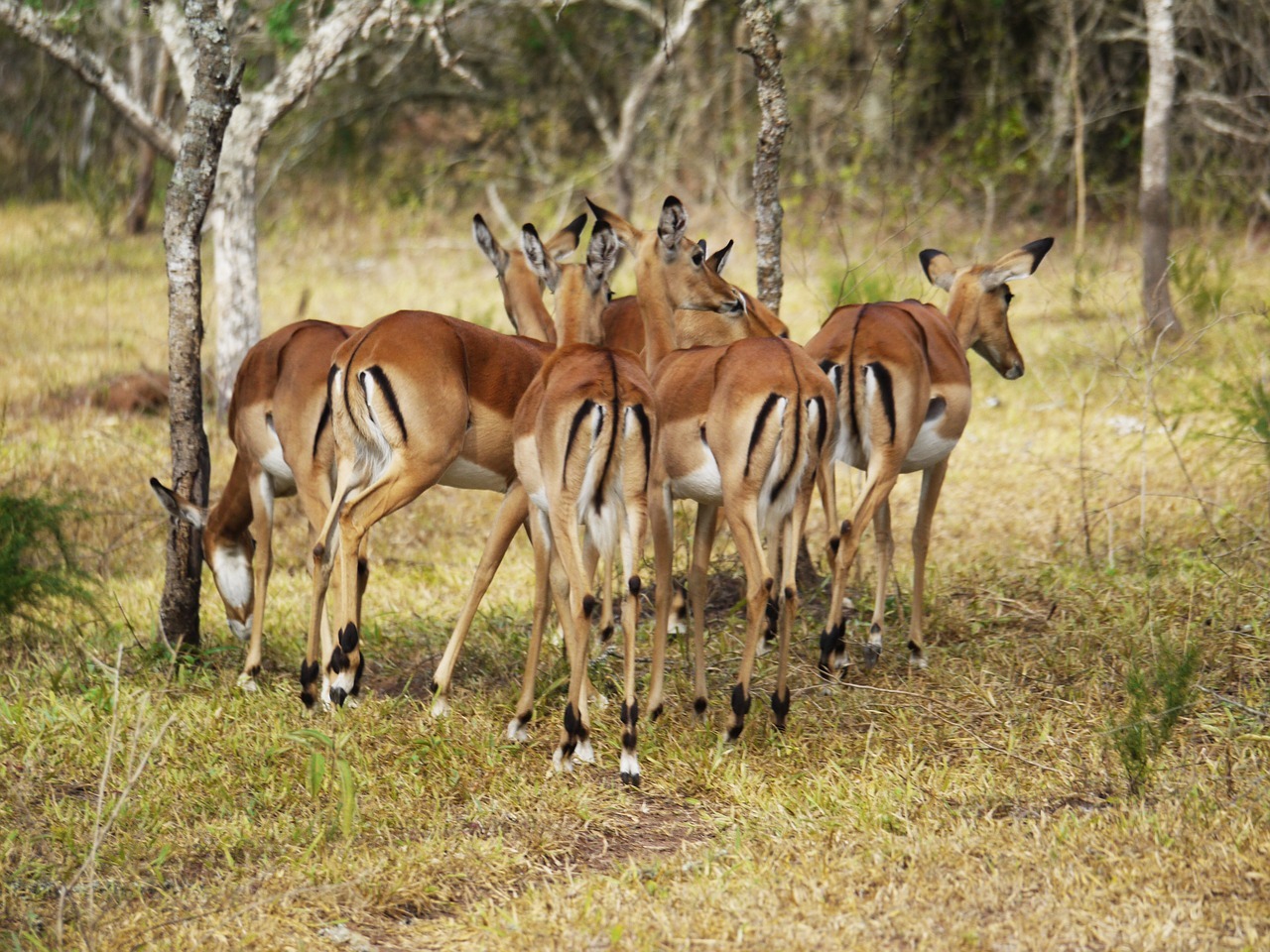
The park is home to over 68 species of mammals which include Impala, Burchell’s Zebra, Eland, Warthog, Buffalo, Defassa Waterbuck, Oribi, Reedbuck, Lion (though a few), Leopard, and Hyena. Hippos and Crocodiles are also well represented.
Birdlife is abundant here with over 350 species on record and includes; the Barbet, African Finfoot, shoebill, Warber, Hornbill, Owl, Tabora Cisticola, Lapwing, Kingfisher, Tinkerbird, and Stork.
Things to do in Lake Mburo National Park
You can indulge in a number of activities which include:-
- Game viewing-in the acacia woodland, wetlands, savannah, and in the valley floors
- Bird watching-in the swampy valleys, salt licks and in the forests
- Hiking and nature walks-in the salt licks at Rwonyo, lake’s banks, and in the Rubanga forest
- Horseback safaris-to view the wildlife and bird watching
- Spot fishing at Mazinga-Lake Mburo has around 6 species of fish including the Tilapia
- Boat cruise
- Bike tours
Lake Mburo National Park Climate & Weather
The park has a semi-arid climate.
Rainfall: It experiences one rainy season per year between April-September and the rainfall is light. The South of the park (Narus Valley) receives an annual average rainfall of 890 mm while the North of the park (Kidepo Valley) receives an annual average rainfall of 635 mm.
Temperature: Average annual temperatures are about 27°C during the day while nightly temperatures are around 14°C
Best time to Visit
October to March is the best time to view the wildlife as they congregate around the remaining water holes.
What to Carry & Wear on this Visit
- Insect repellent especially the Mosquito
- Also picnic items, drinking water, camera, and guide book
- Wear sunscreen, a hat, and sunglasses to avoid the scorching sun
- Flashlight-few places have electricity 24 hrs.
How to get there
By Road-Lake Mburo is 240 km from Kampala via Mbarara and you can enter the park through Nshara Gate or Sanga Gate
Lake Mburo National Park Entrance Fees/Charges
Entry Fees is as follows:
East African Citizens (UGX): Adult 20,000 Child 5,000
Foreign East African Residents (USD): Adult 30 Child 10
Non-residents (USD): Adult 40 Child 20
Park Contacts
You can reach Uganda Wildlife Authority through
Telephone: +256312355000 / +256414355000
Lake Mburo National Park Hotels & Lodges
Hotels and Lodges near Lake Mburo include:-
- Rwonyo Rest Camp
- Lake Mburo Safari Lodge
- Mihingo Lodge
- Arcadia Cottages
- Mantana Tented Camp
- Conservation Education Centre
See other National Parks