Karura Forest is located in Nairobi, north of Nairobi City. It is an
The forest covers an area of 1,041 hectares, one of the largest gazetted forests in the world and three main gazetted forests in Nairobi. The other two are Ngong Forest and Oloolua Forest. It is divided
The forest has a wide variety of wildlife and over 200 species of birds.
It features a waterfall, rivers, Lily Lake, archaeological sites, serene groves of indigenous trees, picnic sites, walking trails, wetlands, Mau Mau Caves, marshland, and bamboo forest.
Karura Forest has been threatened by development projects and land grabbing overtime. This has led a group of environmental conservationist such as the late Nobel Peace Prize Laureate, Wangari Maathai to lead
It is a
Karura Forest Animals/Wildlife
Wildlife in this forest includes Duiker, Genet cat, Bushpig, Bushbuck, Civet, Bushbaby, Syke’s monkey, Porcupine, Ground squirrel, Hare, Bat, and many others.
Reptiles include; the Green snake, Monitor lizard and Python.
Over 100 species of birds are on record here which include; the Eagle, Hornbill, Turaco, Weaver, Dove, Sparrow, Owl, Crane, Trogon and Vultures.
Several species of butterflies are also available in this habitat.
Karura Forest Vegetation/Flora
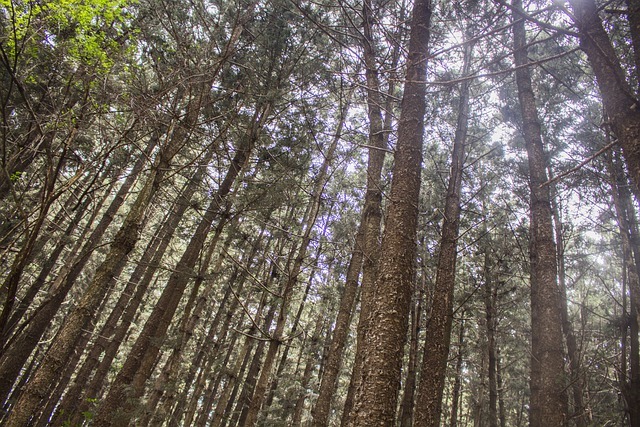
The vast lands of Karura Forest are covered by plantations of exotic plants species, indigenous trees, and shrubs.
Things to do
You can indulge in a number of activities in Karura Forest which include:
- Forest drives
- Forest walks
- Cycling
- Bird watching
- Butterfly watching
- Picnics
- Running
Tourist Attraction Sites near Karura Forest
- Nairobi National Park
- Nairobi Animal Orphanage
- Ngong Hills
- David Sheldrick Elephant Orphanage
- The AFEW Giraffe Centre
- Karen Blixen Museum
- Nairobi National Museum
- Mamba Village Crocodile Farm
- Nairobi Safari Walk
- Nairobi Railway Museum
- Independence Monument
Karura Forest Weather & Climate
The annual average rainfall is 930 mm. Short rains begin October to December with a peak in November. The long rains begin from March to May with the Peak in April and May.
July and August are usually cloudy and cool. Other months (January, February, June, and September) are usually sunny and dry. The annual average temperature is about 19°C.
When to Visit
You can visit Karura Forest all year round avoiding the months when rainfall is at the
What to Carry and Wear
In your bag(s), you should have drinking water, a camera, a pair of binoculars, and guide books. Wear proper walking shoes or trainers.
How to get to there
Karura Forest is 6 km from Nairobi CBD. You can use a
Visiting hours are between 6:00 am and 5:00 pm.
Karura Forest Entrance Fee/Charges
The charges per day to access the forest are as follows
Kenya & EAC Citizens (KES): Adult 200, Child 50, and Student 20
Kenya Residents (KES): Adult 400, Child 100, and Student 50
Non-resident (KES): Adult 600, Child 150, and Student 150
Karura Forest Contacts
For any inquiries or questions, please contact the Forester-in-charge through
Mobile: +254 (0) 727 818 960
Email: [email protected] /[email protected] /[email protected]